IZZA Cabinet
Framed vs. Frameless

Framed vs. Frameless

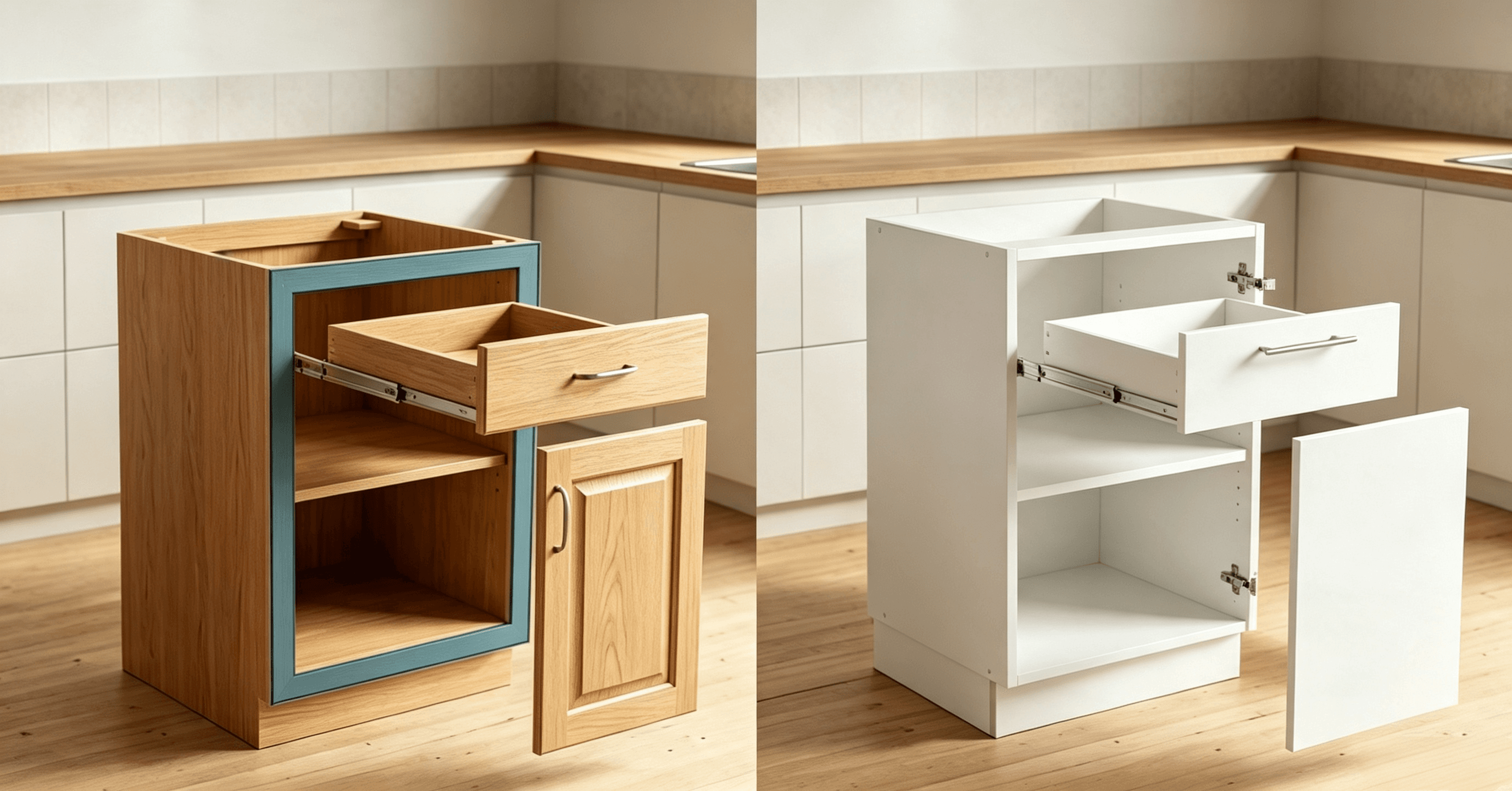
There are two main types of cabinet construction in the kitchen and bath industry and IZZA offers both. There is no real advantage in choosing one over the other. It can be a personal preference, or one may fit better with the style of your home.

Framed vs. Frameless Cabinets

Framed Cabinet

Wide compatibility for various decorative cabinet door styles

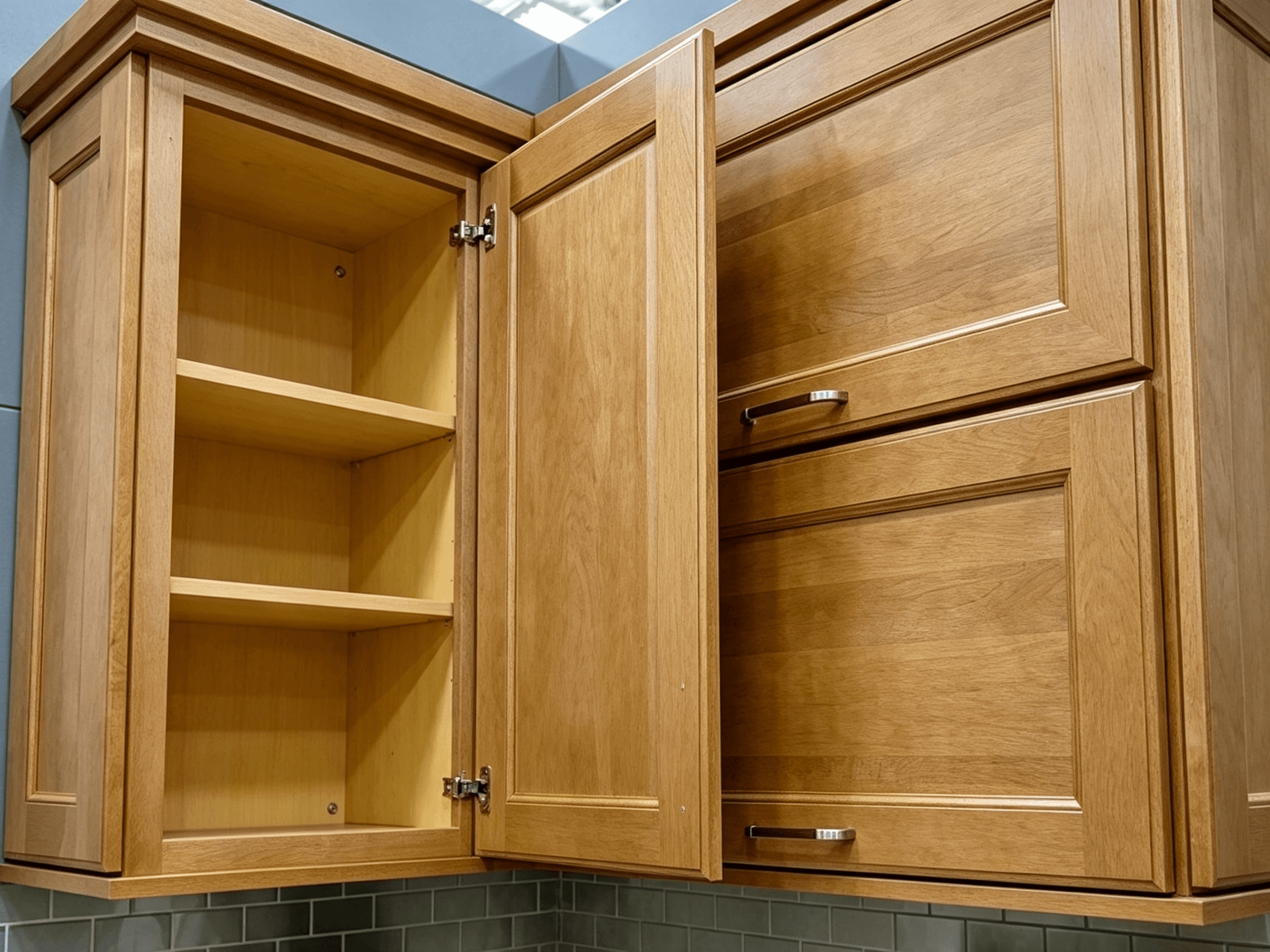
  • Classic American style with solid wood face frame
  • Face frame strengthens cabinet for better anti-warp performance
  • Supports inset, partial overlay & full overlay door options
  • Perfect for American, farmhouse & vintage styled cabinet doors
  • Face frame occupies space and slightly limits inner storage width
Frameless Cabinet

Maximize storage space, build a tidy minimalist kitchen facade

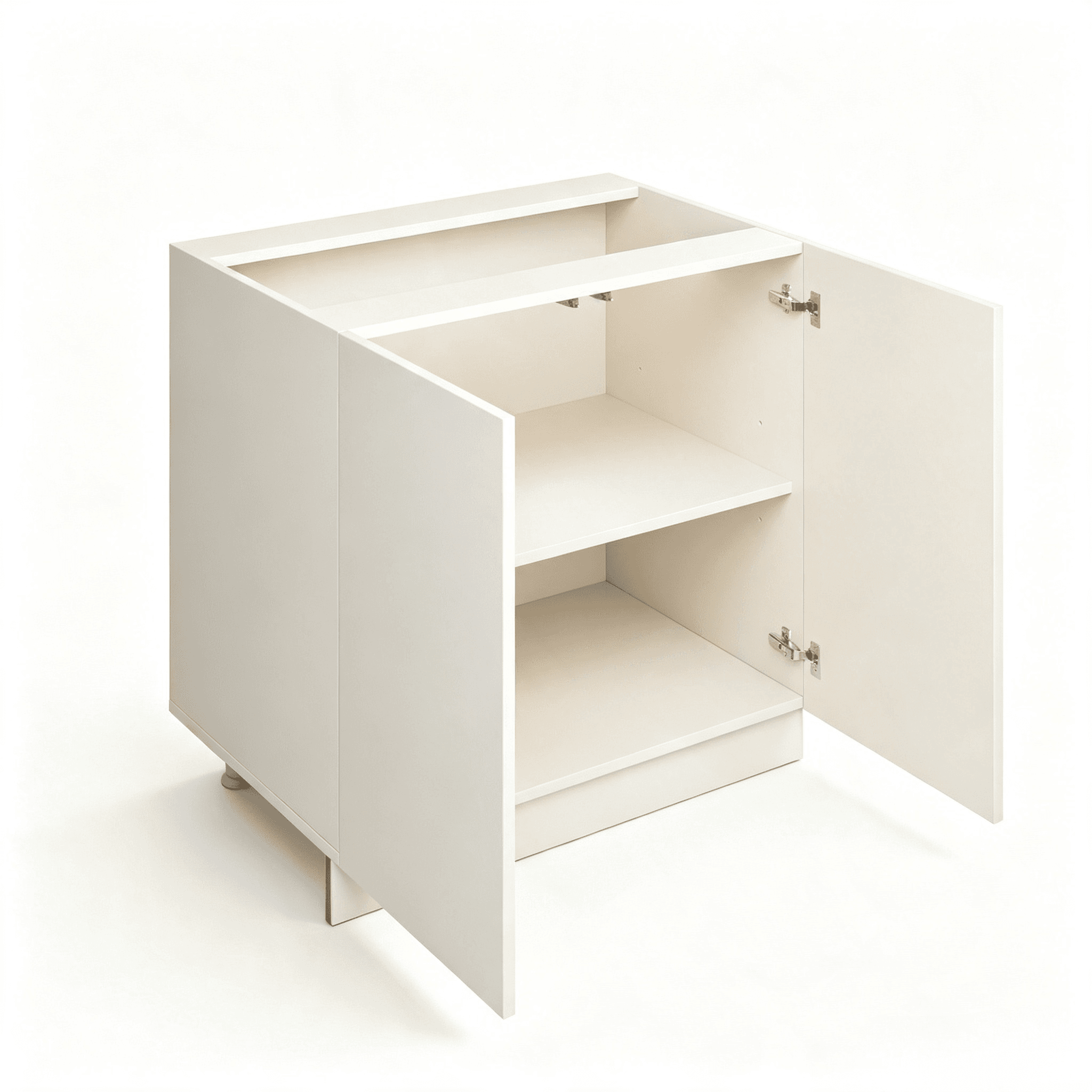
  • European modern construction without front face frame
  • No frame obstruction to maximize usable interior storage
  • Features slim, consistent door gaps for clean flush cabinet facades
  • Primarily paired with full overlay doors for minimalist aesthetics
  • Demands higher quality panels, precise cutting & premium hardware

Quick Buying Tips

Simple guidance to pick your ideal cabinet construction

  • Prioritize frameless if you prefer modern aesthetics and need every inch of storage.
  • Choose face‑frame if you love classic vibes or renovating older houses with imperfect walls.
  • For frameless cabinets, always confirm cabinet board thickness and hardware grade for long‑term performance.
Framed Cabinet

Classic American construction, sturdy & durable, recreates vintage home aesthetics

Framed Cabinet

Framed cabinet is a classic American cabinet construction. It comes with a solid wood face frame on the front of the cabinet box, where hinges are mounted. The face frame reinforces cabinet stability and works perfectly with decorative raised panel doors for a timeless vintage look. The downside is the frame reduces internal accessible storage space.

Popular European cabinet construction with uniform gaps for premium look

Frameless Cabinet

Originated from European cabinetry, frameless cabinetry removes the front face frame. Hinges attach directly to cabinet side panels. Without frame obstruction, it maximizes usable interior storage. It enables tight, consistent door gaps for a sleek flush appearance, ideal for modern minimalist & luxury designs. Higher standards for panel flatness and manufacturing precision are required.

Frameless Cabinet

Frequently Asked Questions About Framed and Frameless Cabinets

How do you choose between framed and frameless cabinets?

Yes. Share the product scope, quantity, destination, and timeline.

Are frameless cabinets more prone to warping?

Frameless cabinets have no reinforcing face frame. Their structural stability depends on panel quality, production workmanship and hardware. High-quality moisture-proof panels and standardized manufacturing ensure long-term stability.

Can hinges be interchanged between framed and frameless cabinets?

Hinges cannot be directly interchanged. Framed cabinets adopt face-frame hinges, while frameless cabinets use side-panel mounted hinges. They require different drilling sizes and mounting offsets, so dedicated hardware should be matched respectively.

How significant is the difference in storage space between the two cabinet types given identical external dimensions?

With identical exterior dimensions, frameless cabinets provide 5%~10% wider usable inner space. The front face frame of framed cabinets occupies interior clearance and limits the maximum width of drawers and shelves.