IZZA Cabinet
Care & maintenance

Care & maintenance

While we take great care in crafting durable cabinetry, there are several factors affecting cabinetry to be mindful of. To help care for and maintain cabinet appearance and functionality, we have put together the following instructions and information.

Areas to Pay Special Attention

Cabinet Body & Door Panels (Solid Wood / Particle Board / Multi‑layer Board)

Cabinet Body & Door Panels (Solid Wood / Particle Board / Multi‑layer Board)

  • For daily cleaning, wipe dust with a slightly damp soft cotton cloth. Do NOT flush the panels with plenty of water directly.
  • Avoid strong acid & alkaline cleaners and steel wool, which may corrode paint finish and scratch board surfaces.
  • Keep panels away from high-temperature cooking zones. Do not place hot cookware against doors for long periods. Maintain kitchen ventilation to reduce moisture buildup.
  • For oil stains, dilute neutral detergent for quick cleaning, then wipe residual moisture immediately with a dry cloth.
  • Regularly remove dust from door hinges. Apply a small amount of lubricant every 6–12 months for smooth opening and closing.
Sinks

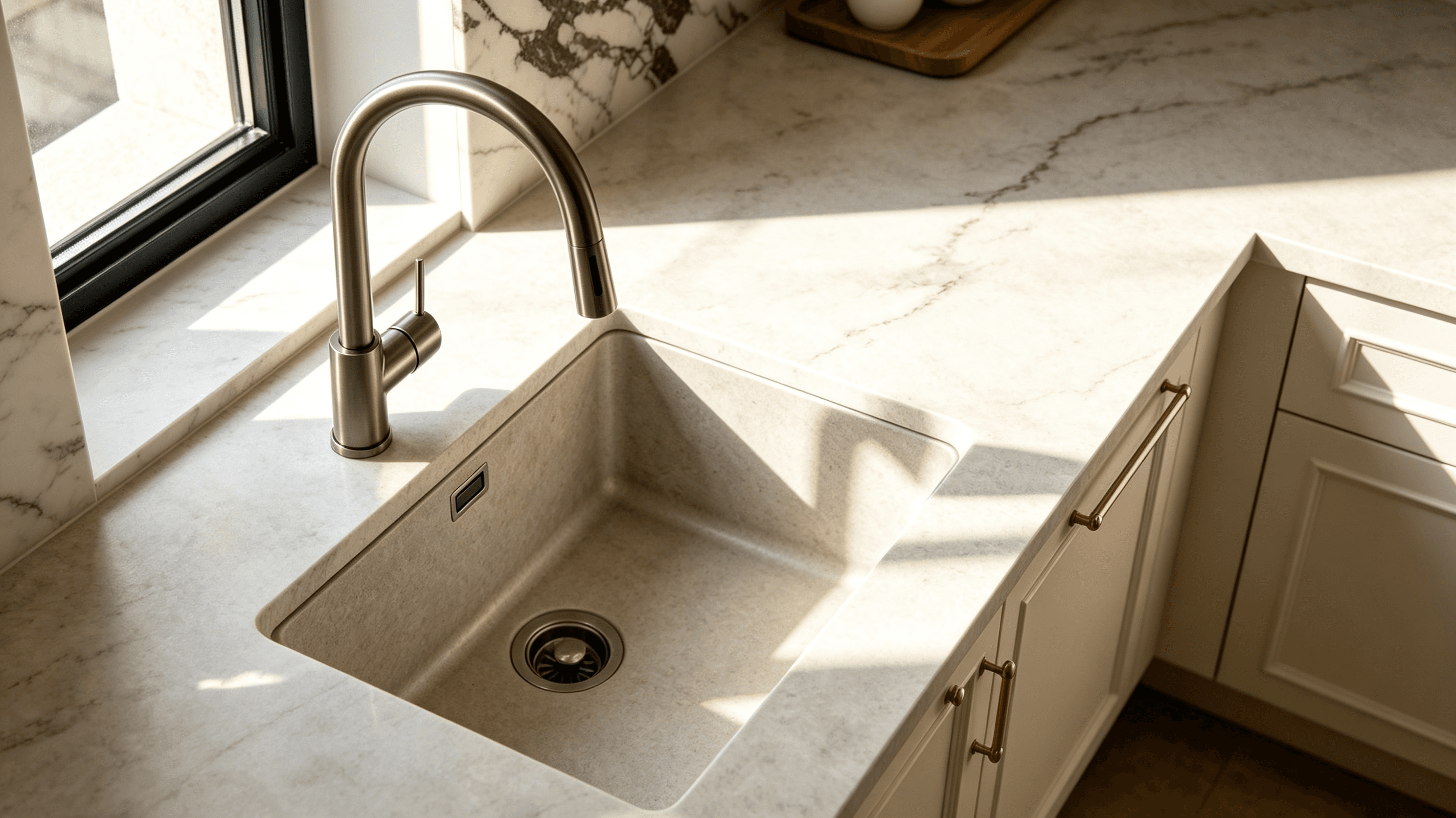
Sinks

  • Rinse the sink with clean water after each use and dry it with soft cloth. Standing water will lead to limescale and water stains.
  • Do not leave salty food, vinegar or bleach-based cleaners in the sink for a long time to avoid surface corrosion.
  • Never scrub the surface with hard steel wool. Special sink cleaner is recommended for stubborn limescale.
  • Avoid cutting hard food directly inside the sink to prevent scratches.
  • Regularly clear food residues in drain pipes to prevent clogging. Do not pour boiling hot oil into the drain to protect plumbing fittings.
Self-Cleaning Ovens

Self-Cleaning Ovens

  • Remove baking trays, racks and non-heat-resistant accessories before activating self-clean mode. Wipe off large food residues.
  • The oven reaches extremely high temperature during self-cleaning. Do not touch the oven door. Keep the kitchen ventilated and keep children away.
  • Wait until the oven fully cools down naturally before wiping ash inside the cavity. Never rinse the hot cavity with water.
  • For light daily grease, manually wipe with damp cloth instead of frequently running high-temperature self-clean cycle.
  • Avoid strong chemical oven spray cleaners, as they may damage inner coating and self-cleaning function.
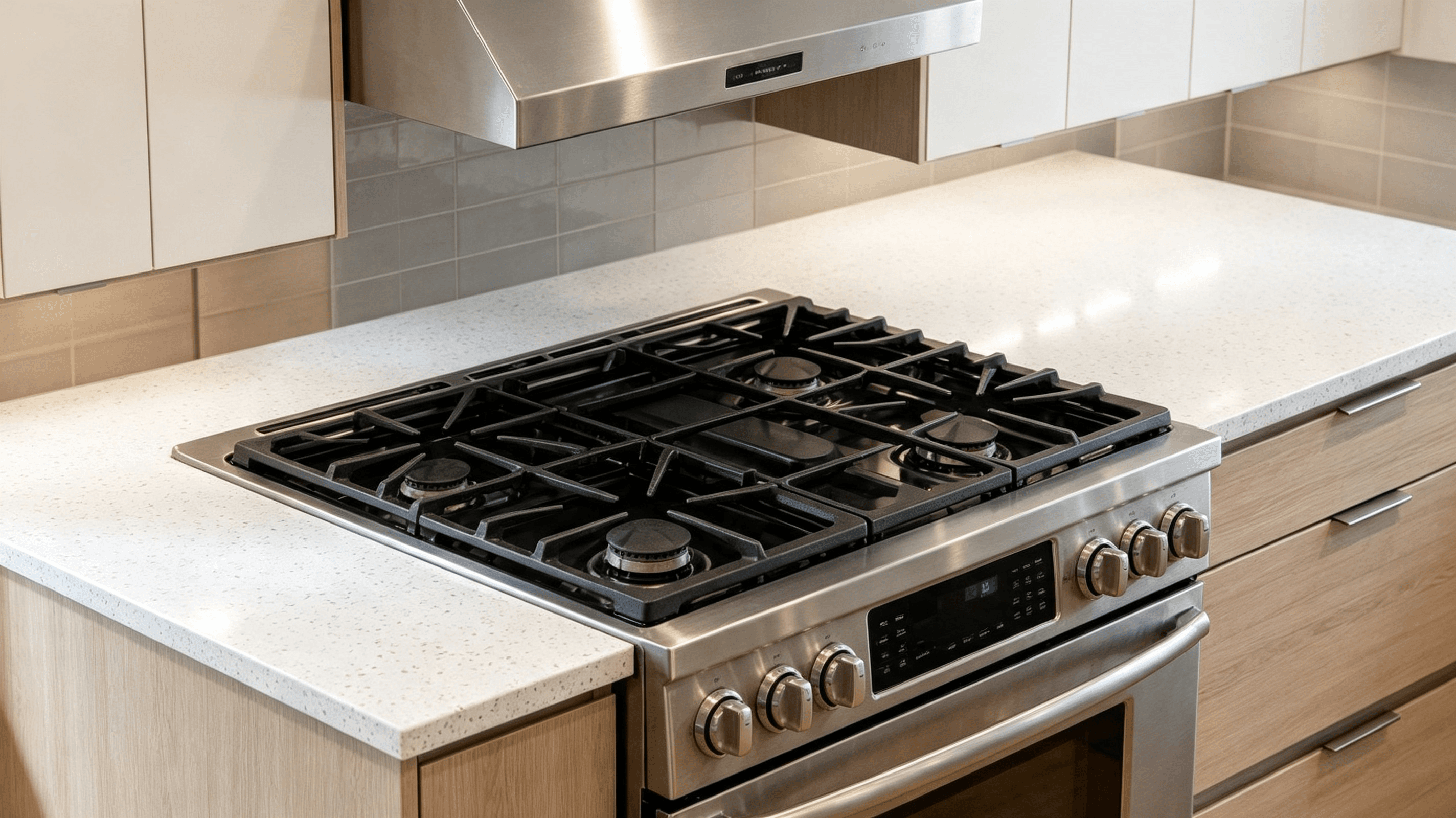
Cooktops

Cooktops

  • Wait until the cooktop cools completely before cleaning to avoid burns and panel damage caused by cold water.
  • Use soft damp cloth with neutral detergent for daily cleaning. Special cooktop cleaner for stubborn burnt stains. Do not use steel wool.
  • Prevent spills from seeping into burner gaps. Regularly remove grates and burner caps to clear grease and food debris.
  • Do not place heavy or sharp cookware on glass cooktops to avoid cracks and impact damage.
  • Cut off power/gas supply before cleaning. Do not flood the whole unit with water to prevent electrical faults.
Dishwashers

Dishwashers

  • Scrape off large residues such as bones, sauce and rice grains before loading tableware to avoid clogging filters and spray arms.
  • Use suitable dishwasher salt and rinse aid according to local water hardness to protect interior and reduce limescale.
  • Take out and clean the filter monthly. Run cleaning cycles regularly to remove grease and odors inside the cavity.
  • Do not wash iron pans, copperware, wooden tableware and hand-painted ceramics to prevent corrosion, fading and deformation.
  • Leave the door slightly ajar after each cycle for ventilation and drying. Long-term closed storage easily causes mold and unpleasant odors.
Complete room furniture packages

Complete room furniture packages

  • Leave clearance between furniture, walls, heaters and windows. Avoid prolonged direct sunlight, which causes fading, moisture and warping.
  • Always use soft cloth for cleaning. Select neutral cleaning agents according to furniture materials; avoid corrosive solvents.
  • Distribute heavy items evenly on shelves. Do not place heavy loads on one side to prevent cabinet twisting.
  • Maintain stable indoor humidity. Excessive dryness may cause solid wood cracking; humid conditions lead to board swelling and mold.
  • Lift cabinets with two people when moving. Do not drag furniture by one corner, which may loosen connecting fittings.

These areas are subject to specialized attention to keep clean and dry to avoid damage.

Sink zone: countertop seams, sink base cabinet, drain area.

Cooking zone: cooktop surface, range‑hood interior, cabinet under stove.

Built‑in appliance surroundings: gaps around oven, steamer, dishwasher.

Bottom edges and edge banding of cabinet doors and drawer fronts.

Countertop joints and edge connections between countertop and cabinet.

Open niches and open storage compartments.

Cabinet Maintenance

Our high-quality cabinet finish may still suffer scratches and chips during installation or daily use. Hardware may also need adjustments over time. Contact your dealer for touch-up and adjustment support.

Control Temperature & Humidity

Avoid drastic fluctuations of temperature and humidity to prevent panel warping, cracking and veneer delamination.

Avoid Direct Sunlight

Prolonged direct sunlight contains UV rays, which leads to uneven fading and discoloration of cabinet finishes.

Even Load Distribution

Do not concentrate heavy items on one single shelf. Distribute weight evenly to prevent shelf sagging and cabinet distortion.

No Standing or Climbing

Never stand or climb on cabinet tops, doors or drawers; prevent sharp items from scratching finished surfaces.

Keep Away From Chemical Fumes

Do not expose cabinets to long-term vapors from bleach, paint thinners and other strong chemical substances.

No Direct Adhesive Stickers

Do not attach tapes, stickers or labels directly on cabinet surfaces. Residual adhesive will damage paint upon removal.

Reserve Ventilation Gap

Leave proper clearance between cabinets and walls for air circulation to avoid trapped moisture buildup.

Maintain Appliance Clearance

Follow standard clearance requirements during appliance installation. Continuous high heat will damage adjacent cabinet panels.

Cabinet care

Timely care

• Keep cabinet interiors clean and dry. Wipe spills and grease immediately to prevent panel swelling and deformation.

• Use soft cloth with neutral detergent. Avoid steel wool and highly corrosive cleaners.

• Keep hot cookware away from cabinet panels to protect surfaces.

• Inspect hinges, slides and hardware regularly. Maintain dryness, tighten loose screws timely.

• Closely check cabinets under sinks and cooking appliances for water leaks.

• Never flood cabinet interiors with direct water washing.

Frequent Care

• Wipe spills and splatters promptly and dry immediately to avoid staining or damage.

• Do not place damp cloths or dishtowels over cabinet surfaces. Moisture from these can cause damage to cabinet finish.

• Keep cabinet surfaces dry by wiping off excess moisture on cabinets in areas that experience excessive humidity.

• Be cautious of objects hitting cabinet fronts that may cause chips and scratches to cabinet surfaces.

• Monitor the special attention areas listed at the top of the page.

Long-Term Care

• Maintaining a consistent home environment by regulating temperature and humidity ensures stable and healthy conditions for cabinetry.

• Be sure to do a thorough cabinet exterior cleaning a few times a year. Cleaning small areas at a time is recommended.

• If left uncleaned, oils and contaminants can build up on frequently touched cabinet surfaces, especially around knobs and pulls.

Care & maintenance | IZZA Cabinet